Provide the reference
Send the Pantone or RAL code, or provide a clean physical sample or finished part. Identify the exact surface and area that represent the target.
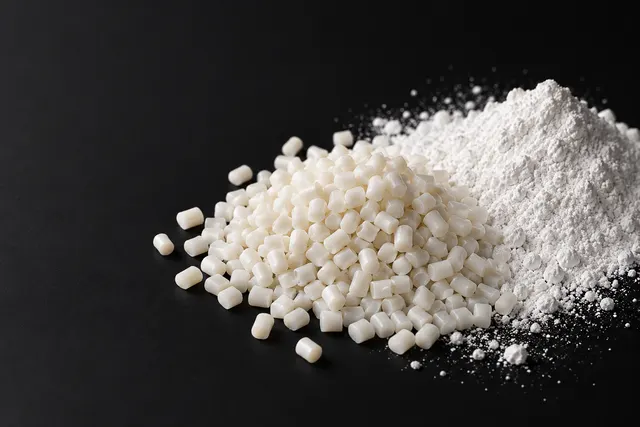
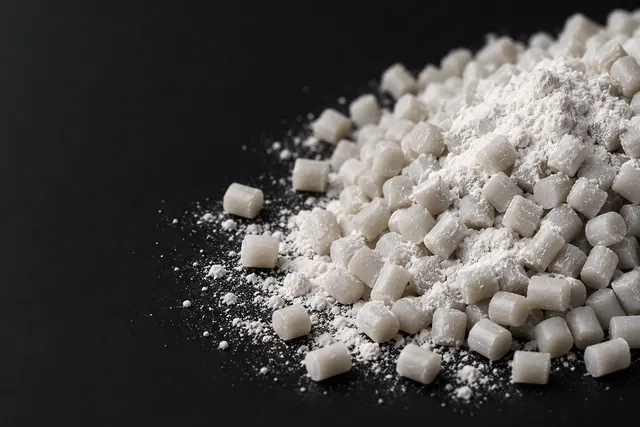
The Polymaid range
Explore masterbatch and mineral-filled compounds for your production process.
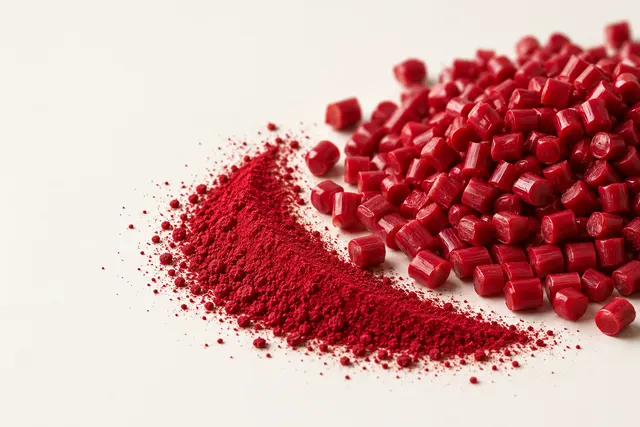
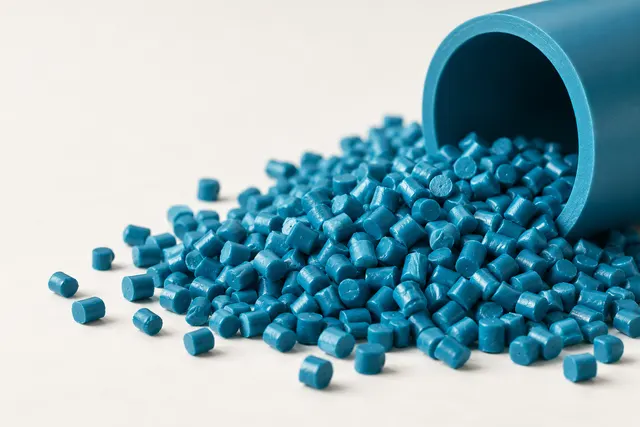
Custom color development
Polymaid provides made-to-order Color Masterbatch and custom shade matching in Lahore, Pakistan. Start with a Pantone code, RAL reference, physical sample, or finished part, then define the resin, process, surface, and application.
A reference is the beginning
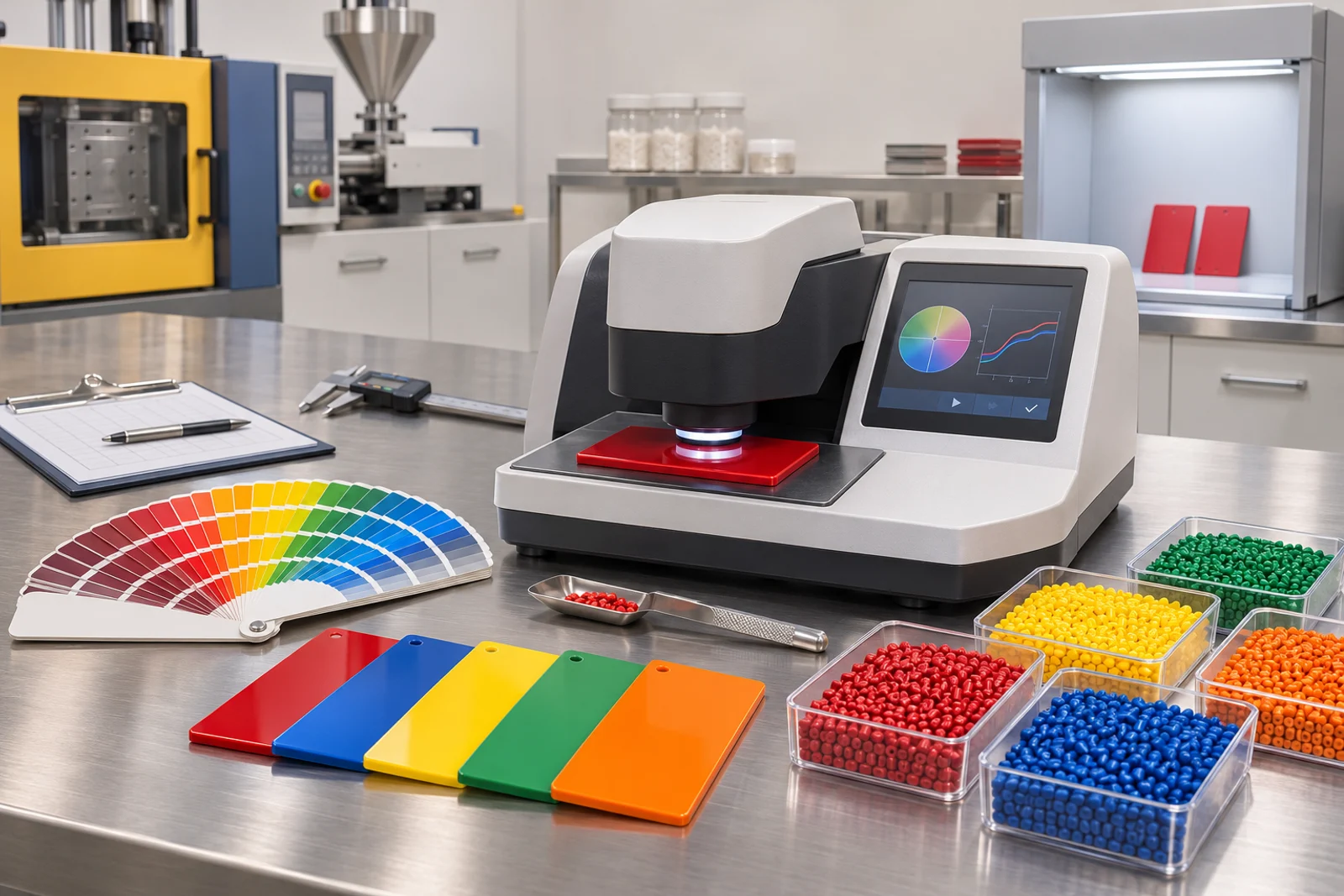
Pantone and RAL references provide a shared starting point, but a printed or coated color standard does not automatically reproduce the same way in plastic. Base-resin color, wall thickness, opacity, gloss, texture, pigment dispersion, heat stability, and processing conditions all affect the final appearance.
For the most useful tailor-made color match and repeat shade consistency, define the viewing conditions and approve the shade in a representative plaque, film, or molded part made with the intended material and process. The approved physical reference should remain the practical standard for future production evaluation.
The matching workflow
Each step reduces ambiguity and keeps the color conversation tied to the actual product.
Send the Pantone or RAL code, or provide a clean physical sample or finished part. Identify the exact surface and area that represent the target.
Specify the base polymer and resin grade—such as PE, PP, PET, PVC, or another compatible resin—plus recycled content if used, required opacity or transparency, and any additives or fillers already in the formulation.
Share the molding or extrusion method, processing temperature, thickness, texture, gloss, and other conditions that can influence the finished shade.
Review the proposed color under agreed lighting and in a representative sample. Confirm the final shade in your production conditions before approving a grade.
Provide the complete Pantone designation and the physical guide or edition used where possible. Digital screen values are not a dependable substitute for a controlled physical reference.
Provide the complete RAL designation and reference system. Include a physical standard when the exact finish, gloss, or viewing condition is important to approval.
Send a clean sample, plaque, or finished product and identify the target area. Tell us whether the new part uses the same resin, thickness, texture, and process.
Your color-matching brief
A code alone cannot describe every variable. Include the production context so the color can be reviewed as part of the complete plastic formulation.
Frequently asked questions
Yes. A Pantone or RAL reference can begin the brief, but the match is developed around the actual polymer, process, thickness, finish, and viewing conditions because these variables affect the perceived shade.
Yes. A physical sample or finished part can be especially helpful when the target includes a particular gloss, opacity, texture, or material appearance. Identify the area that should be used as the color reference.
Resin color, wall thickness, surface texture, gloss, opacity, lighting, pigment loading, and processing conditions can all change how a shade appears in the finished product.
Include the polymer and resin grade, manufacturing process, finished application, target opacity or transparency, surface finish, part thickness, expected quantity, and delivery location.
Yes. Polymaid is based in Lahore and reviews custom Color Masterbatch enquiries from plastic processors throughout Pakistan. Include your city, required quantity, and delivery location with the color brief.
Explore the product family
Review applications, polymers, production considerations, and the information needed for a custom shade enquiry.
Bring us the reference
Include the target color, resin, process, finished product, expected quantity, and any reference file or sample.